
Environmental & Toxic Exposure

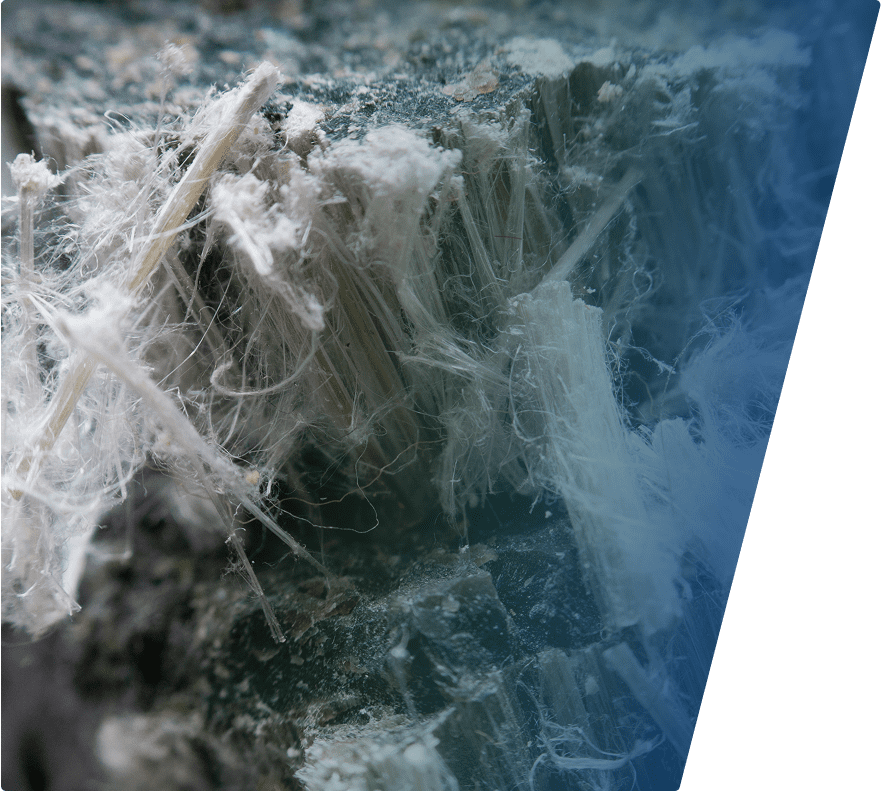
Close-up of fibrous, needle-like white mineral crystals embedded in a rough, dark rock matrix. The fibers appear delicate and thread-like, radiating outward from the rock surface.

Over the course of our attorneys’ careers, we have secured hundreds of millions of dollars for people who have become sick or injured because of the negligence of other parties. But the most meaningful sign of a job well done is the sincere and heartfelt thanks our clients have shared with us over the years.

Our team understands what is at stake and works fast to bring you justice. We will spring into action the moment you call us, and if we take your case, we will never stop working on it until it is settled. Our dedicated legal professionals do not mess around and will do whatever it takes to get things done.

It costs you nothing to have our firm take on your case. Your consultation is free, and you pay nothing unless we are successful at getting you the money you are owed. You will pay nothing out of pocket – you only pay us from the funds you are awarded.

  • Trial Verdict

    $12,152,750

    Machine Operator with Mesothelioma

    Virginia

  • Trial Verdict

    $9,700,000

    Mesothelioma *

    Wisconsin

  • Settlement

    $8,326,761

    Pipefitter with Mesothelioma

    Missouri

  • Settlement

    $7,860,827

    Plumber/Pipefitter with Mesothelioma

    Illinois

  • Settlement

    $7,254,809

    Laborer with Mesothelioma

    Missouri

  • Settlement

    $6,851,663

    Pipefitter with Mesothelioma

    Illinois

  • Trial Verdict

    $6,000,000

    Stemfitter with Meothelioma*

    Virginia

  • Settlement

    $4,552,221

    Sheet metal worker with Mesothelioma

    Missouri

  • Settlement

    $4,462,875

    Laborer with Mesothelioma

    Louisiana

  • Settlement

    $4,412,659

    Navy with Mesothelioma

    Missouri

Environmental contamination refers to the presence of harmful substances in the environment that can adversely affect living organisms, ecosystems, and human health. Contaminants can originate from various sources, including industrial activities, agriculture, transportation, waste disposal, and natural processes. Common types of environmental contamination include:

This includes pollutants such as heavy metals (e.g., lead, mercury, cadmium), pesticides, industrial chemicals (e.g., PCBs, dioxins), petroleum hydrocarbons (e.g., oil spills), and volatile organic compounds (e.g., benzene, toluene).

This involves the introduction of harmful microorganisms into the environment, such as bacteria, viruses, fungi, and parasites. Biological contamination can result from sewage discharges, agricultural runoff, or improper waste management.

Water sources can be contaminated by pollutants from various sources, including industrial discharges, agricultural runoff, sewage, and improper waste disposal. Common water contaminants include heavy metals, pesticides, bacteria, viruses, and toxic chemicals. Water contamination can have widespread impacts on aquatic ecosystems and can pose risks to human health through drinking water contamination.

Soil can be contaminated by a variety of pollutants, including heavy metals, pesticides, industrial chemicals, and petroleum products. Contaminated soil can affect plant growth, disrupt ecosystems, and pose risks to human health through direct exposure or contamination of food crops.

While not a conventional type of contamination, excessive noise can have detrimental effects on human health and wildlife. Sources of noise pollution include transportation (e.g., road traffic, aircraft), industrial activities, construction, and recreational activities.

This occurs when radioactive materials are released into the environment, either through nuclear accidents, improper disposal of radioactive waste, or activities such as mining and processing of radioactive ores. Radioactive contaminants can pose serious health risks and have long-lasting effects on ecosystems.

A modern, minimalist kitchen with a large island in the center. The island features a built-in sink and a sleek countertop with a light wood finish. Above the island, there are three pendant lights with black fixtures. The kitchen cabinets are white with clean lines, and the backsplash is a light gray tile. Stainless steel appliances are integrated into the cabinetry, including a built-in oven and a refrigerator. The floor is a light wood, complementing the island countertop. Large windows allow natural light to fill the space, creating a bright and airy atmosphere.

A major environmental contamination incident took place at the U.S. Marine Corps Base Camp Lejeune in North Carolina between 1953 and 1987. For more than 33 years, an estimated 1 million people were exposed to toxic chemicals from contaminated water sources on the base. This included benzene, trichloroethylene (TCE), vinyl chloride, and perchloroethylene (PCE), all of which are known carcinogens.

The tragedy was first discovered in 1982 when lab tests revealed that there were high levels of cancer-causing chemicals present in the drinking water at two separate base wells. Despite warnings from health experts, the U.S. Marine Corps continued to use these wells as its primary source of drinking water for more than five years. In 1987, they finally shut down these wells because of solid evidence that linked their use to adverse health consequences.

Since this discovery, thousands of individuals who lived or worked at Camp Lejeune during this period have come forward with various medical conditions such as kidney cancer, bladder cancer, liver cancer, leukemia, and other forms of cancers related to exposure to these hazardous compounds. Suppose you or someone you love was diagnosed with cancer after living or working at Camp Lejeune between 1953 and 1987. In that case, you may have a case, and our environmental and toxic exposure attorneys can help you seek just compensation.

Paraquat is an herbicide that has been used in agriculture for many decades since its introduction in 1961. Developed by Imperial Chemical Industries (ICI) and now sold by Syngenta under a variety of trade names, Paraquat was the first of its kind to be used as a general non-selective contact herbicide. It was widely adopted due to its low cost and effectiveness.

Paraquat quickly gained popularity as a weed killer and was commonly used on hay fields, pastureland, and other areas where weeds were present. Over the years it has been used on many different crops including soybeans, corn, cotton, sorghum, and wheat. Although it kills all plant life it comes into contact with, Paraquat has been successful in reducing crop damage caused by weeds.

In recent years, Paraquat’s use has decreased due to concerns about its potential health risks from long-term exposure. Studies have linked Paraquat to an increased risk of Parkinson’s disease when exposed to large doses over time.

If you were diagnosed with Parkinson’s disease after known exposure to Paraquat, we can help you take legal action. We will put our experience to work for you and fight to recover damages.

Roundup weedkiller was first developed by Monsanto in 1974 and has since become one of the most widely used products of its kind. It became especially popular thanks to its active ingredient, glyphosate, which is a broad-spectrum herbicide that is effective against a wide range of weeds. Glyphosate works by blocking the production of certain vital enzymes in plants, allowing it to kill weed growth without harming crops or other beneficial plants.

Despite being one of the most widely used products of its kind, Roundup has been the subject of controversy for decades due to its known health risks. In 2015, the International Agency for Research on Cancer (IARC) classified glyphosate as a “probable human carcinogen,” meaning that it may be linked to cancer in humans with prolonged or repeated exposure. This classification led to widespread concern around the world about the safety of using Roundup and other similar products that contain glyphosate. Many countries have banned the product, while several cities and municipalities throughout the United States have banned or restricted its use.

If you developed lymphoma, leukemia, myeloma, pancreatic cancer, bone cancer, or any other serious health condition after ongoing exposure to Roundup, we encourage you to reach out to SWMW Law. We can help you explore your legal options for holding Monsanto accountable and recovering compensation.

If we take your case, you will feel like you are our only client. Our environmental and toxic exposure lawyers will take care of you throughout the process, keeping you informed, answering your calls, and returning your emails from beginning to end. You will never be left wondering what is going on. Here’s what to expect:

  • We will come to you, wherever you are in the United States.
  • You do not pay us a dime until we win your case. And you pay nothing out of pocket.
  • We will ask you a lot of questions to learn about your environmental or toxic exposure and who is responsible for it.
  • We will investigate the information we have obtained in our decades of experience representing families just like yours. We use the information we have gathered from other environmental and toxic exposure cases to use as evidence.
  • We will integrate your information with our team and get everyone working immediately to file your case.
  • We will keep you updated to let you know how your case is progressing.
  • We will leave no stone unturned as we explore every possibility to help you obtain the just compensation you and your family deserve.

Our team is comprised of dozens of highly talented and experienced attorneys ready to fight for your best outcome.

Over the course of our firm’s experience, we have helped thousands of victims and their families recover life-changing verdicts and settlements.

We come to you wherever you are in the United States.

A senior partner of our firm will be involved in your case, utilizing a team approach with massive resources uniquely applied to your case.

Free Consultations Available 24/7